

If you’ve used an angle grinder for more than a few projects, you’ve probably already gone through a handful of cutoff wheels — and maybe wondered whether a diamond blade is worth the higher price tag. The honest answer is: it depends on what and how often you’re cutting. But once you understand how each one actually works, the decision gets a lot easier.
This guide puts diamond blades and abrasive cutoff wheels side by side — how they cut, what they cost over time, how safe each one is, and which situations call for which.
Cutoff wheels are made from abrasive grain (commonly aluminum oxide, zirconia alumina, or ceramic alumina) bonded into a resin disc, often reinforced with fiberglass mesh. As the wheel spins, the abrasive grain grinds through the material via friction — and that same friction wears away the wheel itself. Every cut removes a little bit of both the material and the wheel, which is why cutoff wheels visibly shrink in diameter over their lifespan.
Diamond blades are built differently: a steel core with diamond particles bonded to the rim. The diamond segments are hard enough to grind through tile, brick, metal, and more without breaking down at anywhere near the same rate as an abrasive wheel. The core itself doesn’t get “used up” the way an abrasive disc does — so the blade maintains roughly the same diameter cut after cut.
That single structural difference is the root of almost every other difference between the two.
| Factor | Standard Cutoff Wheel | Multi-Material Diamond Blade (ToughGrit™) |
|---|---|---|
| Upfront cost | ~$5–$10 (often less in bulk packs) | ~$49.99 |
| Materials it cuts | Mostly metal/steel | Metal, steel, tile, brick, fiber cement, wood |
| Wears down with use? | Yes — visibly shrinks in diameter | Minimal wear; designed to hold up over time |
| Sparks/debris on metal | Significant | Noticeably less |
| Blade changes per multi-material job | Multiple (one per material) | Typically none |
| Best suited for | Occasional, single-material cutting | Frequent, multi-material cutting |
The sticker price comparison makes a cutoff wheel look like the obvious budget choice — $5–$10 versus roughly $49.99 for a the ToughGrit Diamond Blade. But sticker price isn’t the same as cost per job.
Here’s the thing about abrasive cutoff wheels: every cut wears the wheel down a little. On tougher materials or longer cuts, that wear adds up fast — a wheel that started at 4.5″ can shrink noticeably after a relatively small number of cuts, at which point it needs to be replaced both for performance and for safety (a worn-down wheel changes its relationship to the grinder’s guard).
So if you’re cutting regularly, you’re not buying one $7 wheel — you’re buying $7 wheels repeatedly, plus the time spent stopping work to swap them out.
A diamond blade works differently because the diamond segments don’t erode the way abrasive grain does. WonderBlade™ says the ToughGrit™ blade is designed to outlast a standard cutoff wheel many times over in real-world use — its makers cite figures as high as 100x the lifespan of a typical cutoff wheel under comparable use, since the blade isn’t grinding itself away with every pass. Even if your actual mileage varies depending on the material and how hard you’re pushing it, the basic math holds: a blade that lasts dramatically longer than $7 worth of cutoff wheels starts to look like the better value the more you use it — especially once you add in the time saved by not stopping to swap discs between materials.
Bottom line: for a one-time cut on a single material, a cutoff wheel is cheaper. For regular use across multiple materials, the math tends to favor the diamond blade.
Sparks and Fire Risk Cutting metal with an abrasive cutoff wheel produces a steady shower of sparks as the abrasive grain grinds against the metal. This is normal for cutoff wheels, but it does mean working away from flammable materials and dust, and wearing proper PPE. Diamond blades cutting metal generally produce noticeably less sparking, since the cutting action comes from the diamond segments rather than abrasive-on-metal friction creating the same volume of hot particles.
Wheel Wear and Guard Clearance As a cutoff wheel wears down and shrinks, its size relative to the grinder’s guard changes — part of why manufacturers recommend replacing wheels well before they’re worn to the flange. Diamond blades, which don’t shrink the same way, maintain a more consistent relationship with the guard over their lifespan.
Wheel Breakage Thin abrasive cutoff wheels are brittle and can crack or shatter if pinched, twisted, or dropped. A solid steel-core diamond blade is generally more resistant to this kind of catastrophic failure, though normal safety precautions (proper guard use, secure workpiece, PPE) still apply to any cutting disc.
Debris and Dust Both types of discs produce debris — cutoff wheels throw off metal sparks and shavings, while diamond blades on materials like brick, tile, or fiber cement can produce fine dust. Eye protection, a dust mask where appropriate, and good ventilation matter either way.
There are still plenty of situations where a standard cutoff wheel is the right call:
For anyone leaning toward the diamond blade side of this comparison, the WonderBlade™ ToughGrit™ is built specifically around the “one blade for everything” idea:
You can see it cutting through multiple materials back-to-back in WonderBlade™’s videos:
To see how this plays out in practice, picture a typical mixed-task day: in the morning, you’re cutting metal conduit and brackets; midday, you’re cutting porcelain tile for a bathroom floor; by the afternoon, you’re trimming fiber cement siding on the exterior.
With standard cutoff wheels, that day might look like: a metal cutoff wheel for the morning work (which is visibly smaller by lunch), then swapping to a tile-rated diamond wheel for the bathroom work, then swapping again to whatever blade is rated for fiber cement — likely a separate purchase entirely, since standard cutoff wheels aren’t built for that material. That’s at least two blade changes, three different discs in your kit, and a half-worn cutoff wheel left over for next time.
With a multi-material diamond blade like the ToughGrit™, the same day looks like: mount it once in the morning, cut the conduit, move straight into the tile work, then the fiber cement — no changes, no second or third disc to track down, and the blade is in roughly the same condition at the end of the day as it was at the start.
Neither approach is “wrong” — but the difference becomes obvious the moment your work spans more than one material in a day, which for most contractors and serious DIYers, is most days.
Can a diamond blade completely replace a cutoff wheel? For most multi-material cutting tasks, yes — a multi-material diamond blade like the ToughGrit™ can handle the metal cutting a cutoff wheel would do, plus tile, brick, fiber cement, and wood. For very high-volume, single-material production cutting, dedicated abrasive wheels may still be more practical.
Why do cutoff wheels get smaller the more you use them? Because the abrasive grain that does the cutting is also what wears away with friction — so both the material being cut and the wheel itself lose material with every pass.
Are diamond blades worth the higher price? If you cut regularly or across multiple materials, the higher upfront cost is typically offset by the blade’s much longer usable life and fewer blade changes. For occasional, single-material use, a standard cutoff wheel may still make more financial sense.
Which cuts faster — a diamond blade or a cutoff wheel? For straightforward metal cutting, a thin abrasive cutoff wheel can be very fast. A multi-material diamond blade is built for versatility across materials rather than being the fastest option for any single one — though it stays consistent across all of them.
Can a diamond blade cut steel as well as a cutoff wheel? Yes — multi-material diamond blades like the ToughGrit™ are designed to cut metal and steel effectively, generally with less sparking than a standard cutoff wheel.
There’s no universal “winner” here — it genuinely comes down to how you work. If you’re making a single cut on a single material and don’t expect to need the disc again, a cutoff wheel is the cheaper, simpler choice. But if your projects involve multiple materials, frequent cutting, or you’re just tired of swapping discs and burning through cutoff wheels, a multi-material diamond blade like the WonderBlade™ ToughGrit™ is built to handle it all with one blade — and to still be in your grinder the next time you need it.
If “best value” means finishing more work with fewer blades, fewer swaps, and cleaner results, the winner is clear:
➡ WonderBlade™ High-Strength Carbide™ Oscillating Tool Blade
Built for general-purpose, multi-material cutting with the durability and control pros expect—and the versatility DIYers need.
Shop the blade:
https://wonderblade.com/high-strength-carbide-oscillating-blade-1
Learn more about WonderBlade™:
https://wonderblade.com
Watch the comparison video:
https://www.youtube.com/watch?v=b01S7eoalKw
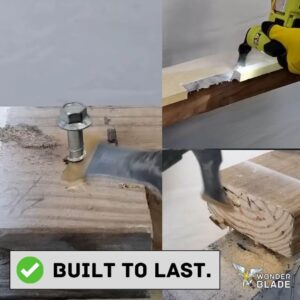
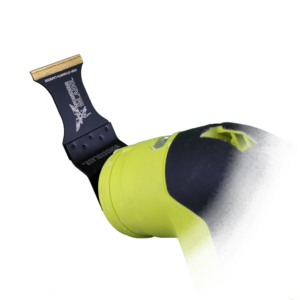
This blade stands out as one of the strongest in its industry due to its High-Strength CarbideTM teeth, known for their exceptional endurance and cutting power, as opposed to ordinary blades, which become dull over time.
*However, the major issue is that many blades that you’ll find in your local hardware store tend not to last, here at WonderBlade we have an all around General Purpose Oscillating Tool Blade that lasts time and time again against hundreds of cuts through wood, fiber cement, sheetrock, plastic and more*