

A cutoff wheel is one of the most-used accessories for any angle grinder owner — and also one of the most misunderstood. Grab the wrong thickness, abrasive type, or RPM rating, and you’ll end up with a wheel that wears out fast, cuts poorly, or worse, becomes a safety hazard.
This guide covers everything that actually matters when shopping for a cutoff wheel: what the specs mean, how to match a wheel to your project, the safety basics every user should know, and — toward the end — when it might actually make sense to skip the cutoff wheel aisle entirely.
A cutoff wheel (sometimes called a cutting disc or parting wheel) is a thin abrasive disc designed to make narrow, precise cuts through material — most commonly metal. Unlike a grinding wheel, which removes material from a surface at a shallow angle, a cutoff wheel is used at 90 degrees to slice straight through.
Cutoff wheels are made from abrasive grain (like aluminum oxide or zirconia alumina) bonded into a resin disc, often reinforced with layers of fiberglass mesh for added strength and burst resistance. As the wheel spins — usually somewhere between 10,000 and 15,000 RPM depending on the grinder — the abrasive grain grinds through the material via friction. That friction is also what wears the wheel down: every cut removes a small amount of the wheel itself, along with the material you’re cutting.
The most common sizes are 4.5″, 5″, 6″, and 7″. This needs to match what your angle grinder is designed to accept — going larger than your grinder’s rated capacity is a serious safety issue.
This is one of the most overlooked specs. Thin wheels (around .040″–.045″) are designed purely for cutting — they remove less material, run cooler, and cut faster. Thicker wheels (around 1/8″) are more durable and can handle some light grinding, but they remove more material with each pass and generate more heat. For most metal-cutting tasks, a thin wheel is the better choice.
Look for fiberglass mesh reinforcement, usually noted on the packaging. This helps the wheel resist cracking and reduces the risk of it shattering under stress — an important safety feature, not just a durability one.
Every wheel is stamped with a maximum RPM. This number must be equal to or greater than your angle grinder’s maximum RPM — never the other way around. Running a wheel beyond its rated speed is one of the most common causes of wheel failure.
7/8″ is the standard arbor size for most 4.5″–7″ angle grinders sold in the U.S. Always confirm this matches your tool before buying in bulk.
Best for General Mild Steel Cutting A thin (.040″–.045″) aluminum oxide wheel in the 4.5″ size is the workhorse choice for most metal cutting — conduit, brackets, bolts, angle iron, and similar mild steel work. These are widely available from major brands like DEWALT, and typically sold in multi-packs that bring the per-wheel cost down to roughly $1–$3 each.
Best for Stainless Steel Zirconia alumina or ceramic alumina wheels run cooler and resist loading up with material, which helps avoid the blue heat discoloration that’s a common headache when cutting stainless with a standard aluminum oxide wheel.
Best for Heavy-Duty / Combination Use A 1/8″-thick wheel can handle both light cutting and grinding duty, which is useful if you only want to carry one type of disc for rougher jobs — though you’ll sacrifice some speed and precision compared to a dedicated thin cutting wheel.
Best for Bulk/Production Cutting If you’re going through a lot of wheels — production shops, fabrication, repetitive jobsite cutting — bulk packs of 25–50 thin aluminum oxide wheels offer the lowest per-unit cost, though you’ll be replacing them frequently.
Cutoff wheels are generally safe when used correctly, but there are a few things every user should know:
Sparks and Debris Cutting metal with an abrasive wheel produces a steady shower of sparks and small metal particles. This is normal, but it means you should always work away from flammable materials, wear a face shield and long sleeves, and be aware of where those sparks are landing — especially indoors or near sawdust, fuel, or other combustibles.
Wheel Wear and Shrinkage Unlike a solid blade, a cutoff wheel physically gets smaller in diameter as you use it — both the workpiece material and the wheel’s abrasive grain wear away together. This changes the wheel’s relationship to the grinder’s guard over time and is one reason manufacturers recommend replacing wheels well before they’re worn down to the flange.
Wheel Cracking and Breakage Thin cutoff wheels are brittle compared to a steel blade. Bending, twisting, or pinching the wheel mid-cut — common when the material shifts or binds — can cause it to crack or shatter. Always inspect a wheel before mounting it (a quick “ring test” by tapping it can reveal hairline cracks), and never use a wheel that’s been dropped without checking it first.
PPE Basics At minimum: a face shield or safety glasses rated for impact, gloves, and clothing that won’t easily ignite from sparks. If you’re cutting indoors or in a confined space, factor in dust and debris control too.
Cutoff wheels do their job well, but they come with a few built-in tradeoffs that are worth knowing about before you stock up:
If you’ve ever found yourself burning through cutoff wheel after cutoff wheel on a job that also involves cutting tile, brick, or fiber cement — meaning multiple wheel types and multiple changeovers — it’s worth knowing there’s another option: multi-material diamond blades.
Instead of an abrasive disc that wears away with each cut, a diamond blade like the WonderBlade™ ToughGrit™ uses diamond particles bonded to a steel core. It’s rated for the same 4.5″ angle grinders, runs up to 13,000 RPM, and is built to cut metal and steel, ceramic and porcelain tile, brick, fiber cement siding, and wood — all with one blade, and with noticeably less sparking on metal than a standard cutoff wheel.
It costs more upfront than a single cutoff wheel — around $49.99 versus $5–$10 for most cutoff wheels — but because the diamond segments don’t wear down and shrink the way abrasive wheels do, it’s designed to be left in the grinder across multiple jobs and material types rather than swapped out and replaced.
For a full breakdown of how the math works out over time, see our guide: [Diamond Blade vs. Cutoff Wheel: Which Is Right for Your Angle Grinder?]
And if multi-material cutting is the main thing you’re after, our [Best Diamond Blade for Angle Grinders in 2026] guide covers the ToughGrit™ and other diamond blade options in detail.
Cutoff wheels are consumable by design, but a few habits can help you get more cuts out of each one before it needs replacing:
What’s the difference between a cutoff wheel and a grinding wheel? Cutoff wheels are thin and designed to cut straight through material at 90 degrees. Grinding wheels are thicker and designed to remove material from a surface at a shallow angle.
How long does a cutoff wheel last? It depends heavily on the material being cut and the wheel’s abrasive type, but most thin aluminum oxide wheels will visibly shrink and need replacement after a relatively small number of cuts in metal — often within a single job on tougher materials.
What thickness cutoff wheel is best for metal? For most metal cutting, a thin wheel (.040″–.045″) cuts faster, runs cooler, and removes less material than a thicker 1/8″ wheel.
Can you use a cutoff wheel on wood? Standard abrasive cutoff wheels aren’t designed for wood and can bind, kick back, or wear out almost immediately. Wood cutting calls for a different type of disc — or a multi-material diamond blade designed to handle both.
Is a diamond blade better than a cutoff wheel for cutting metal? For occasional, single-material jobs, a standard cutoff wheel is cheaper and works fine. For frequent cutting, multi-material jobs, or situations where reducing sparks and blade changes matters, a diamond blade like the ToughGrit™ can be the better long-term choice.
For straightforward metal cutting, a good thin aluminum oxide or zirconia cutoff wheel from a reputable brand will get the job done — just make sure the thickness, abrasive type, and RPM rating match your project and your grinder. But if you find yourself constantly switching between wheels for different materials, or replacing cutoff wheels faster than you’d like, it’s worth taking a look at multi-material diamond blades as a longer-term alternative.
If “best value” means finishing more work with fewer blades, fewer swaps, and cleaner results, the winner is clear:
➡ WonderBlade™ High-Strength Carbide™ Oscillating Tool Blade
Built for general-purpose, multi-material cutting with the durability and control pros expect—and the versatility DIYers need.
Shop the blade:
https://wonderblade.com/high-strength-carbide-oscillating-blade-1
Learn more about WonderBlade™:
https://wonderblade.com
Watch the comparison video:
https://www.youtube.com/watch?v=b01S7eoalKw
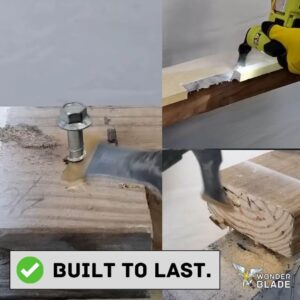
This blade stands out as one of the strongest in its industry due to its High-Strength CarbideTM teeth, known for their exceptional endurance and cutting power, as opposed to ordinary blades, which become dull over time.
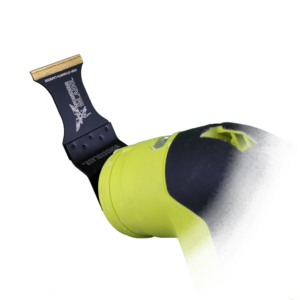
*However, the major issue is that many blades that you’ll find in your local hardware store tend not to last, here at WonderBlade we have an all around General Purpose Oscillating Tool Blade that lasts time and time again against hundreds of cuts through wood, fiber cement, sheetrock, plastic and more*