
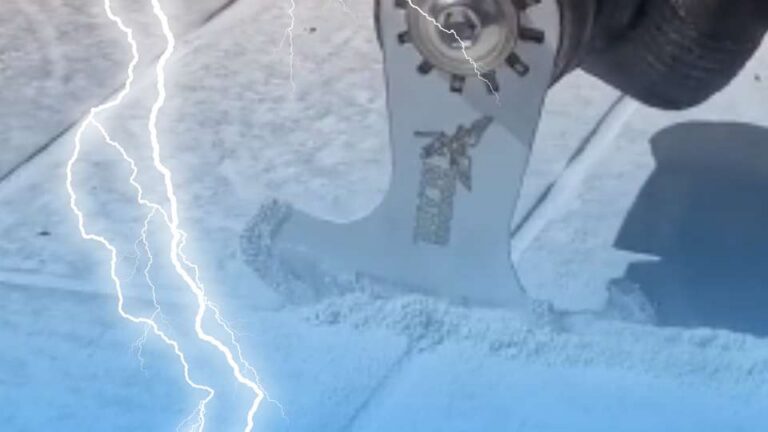
Grout removal is one of the most tedious and time-consuming tasks in tile work, bathroom remodels, kitchen renovations, or floor restorations. Whether you’re dealing with old, hardened cement-based grout, stubborn mortar, or even tougher epoxy grout, the right oscillating tool blade can turn hours of frustration into efficient, clean progress.
In 2026, professionals and serious DIYers rely on oscillating multi-tools paired with specialized grout blades more than ever. These tools reach tight joints, minimize tile damage, and deliver precision that manual grout saws or chisels simply can’t match.
But not all grout blades perform equally. Basic carbide-grit options work for light jobs but wear out quickly on harder materials. Diamond-coated blades stand out for their superior durability, faster cutting, and longer life — especially when removing large areas of grout without constant blade changes.
At WonderBlade, we’ve engineered a dedicated line of Diamond Oscillating Tool Blades specifically for grout and tile removal. Available in Straight Head, Segment Boot, and Finger Rasp shapes, these blades feature premium diamond grit with strong adhesion that keeps cutting aggressively job after job.
This guide covers everything you need to know: why diamond blades dominate for grout work, the best shapes for different tasks, head-to-head comparisons, pro techniques, and how WonderBlade’s options deliver measurable advantages in 2026.
Poor blade choice leads to common frustrations: blades that glaze over after a few feet, excessive heat buildup that damages the tool or tiles, frequent stops for replacements, and rough edges that require extra cleanup.
Key performance factors for grout blades include:
Diamond blades excel because industrial-grade diamonds embedded in the edge grind away grout efficiently while resisting wear far better than standard carbide or bi-metal alternatives. For pros tackling multiple bathrooms or large floor projects, this translates to significant time and labor savings.
Two main categories dominate grout removal:
Carbide Grit Blades These feature a rough, sandpaper-like carbide coating. They’re affordable and effective for soft or standard cement-based grout on smaller jobs. However, they tend to wear faster on harder grout, older mortar, or when working on large areas. Heat buildup can cause glazing, reducing cutting speed over time.
Diamond Oscillating Blades The professional choice for 2026. Industrial diamond grit provides aggressive, consistent grinding action. Diamond blades cut cleaner, stay effective longer, and handle tougher materials like porcelain tile joints or epoxy grout with less effort. They generate less heat when used properly and produce smoother results with minimal tile chipping.
WonderBlade’s Diamond Oscillating Tool Blades take this a step further with optimized grit distribution and bonding that resists flaking or premature wear, giving you more productive cuts per blade.
Other specialty options include hybrid designs or finger-style blades for detail work, but pure diamond remains the gold standard for serious grout removal.
Here’s a quick comparison:
| Blade Type | Best For | Lifespan on Hard Grout | Cut Speed | Heat Resistance | WonderBlade Advantage |
|---|---|---|---|---|---|
| Carbide Grit | Light/standard grout, small jobs | Medium | Medium | Fair | N/A |
| Diamond Oscillating | Hard grout, large areas, pros | Long | High & sustained | Excellent | Superior grit adhesion & shape options |
For professionals who need reliable, long-lasting performance, these WonderBlade Diamond Oscillating Tool Blades consistently deliver top results.
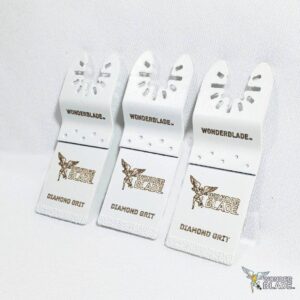
Perfect for precise, quick grout removal in standard joints. The straight-head design offers excellent reach into narrow spaces while the premium diamond grit cuts cleanly and efficiently. Ideal for detailed work around fixtures, edges, or smaller renovation areas. Many tile pros praise it for maintaining speed even after extended use without glazing. Best for: Bathroom remodels, backsplashes, and precision grout cleaning.

Optimized for straight-line efficiency on larger projects. The segmented boot shape provides stability and focused grinding, making it excellent for removing long runs of grout across floors, walls, or shower stalls. It handles heavier mortar beds effectively while delivering clean results. Best for: Flooring contractors, full-room tile removal, and high-volume grout jobs.
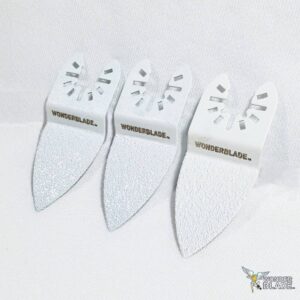
A specialized aggressive option for tight corners, around outlets, or intricate detail work. The finger-rasp profile reaches where wider blades can’t, combining power with precision for stubborn grout buildup. Best for: Restoration projects, tight spaces, and detailed tile work.
All WonderBlade diamond blades come in convenient 3-packs for pros who value consistency and bulk value. They feature universal compatibility and are engineered for minimal vibration when paired with quality oscillating tools.
Diamond vs. Carbide Grit Standard carbide grit blades perform adequately on soft grout but lose effectiveness quickly on harder or older materials. WonderBlade’s diamond versions remove grout faster, resist wear better, and require fewer replacements — often lasting 2–3x longer in real-world testing on tough jobs.
Shape Matters A generic straight blade might struggle on long runs, while a poorly designed segmented blade can wobble. WonderBlade’s targeted shapes (Straight Head for access, Segment Boot for stability, Finger Rasp for detail) give you the right tool for each part of the job, improving both speed and finish quality.
Long-Term Value While diamond blades have a higher upfront cost, the savings in time, reduced downtime, and lower blade consumption make them the smarter investment for daily professional use or larger projects.
Winner for Grout Removal in 2026: WonderBlade Diamond Oscillating Tool Blades across all categories for serious tile and renovation pros.
Upgrading to WonderBlade diamond blades typically pays off after just one or two medium-sized jobs.
Preparation: Score the grout lines lightly first if very hard. Wear safety glasses, dust mask, and hearing protection.
Speed Settings: Start on a lower-to-medium speed to control the cut and reduce heat. Increase only as needed — excessive speed generates heat that shortens blade life.
Technique: Make short, controlled passes along the joint. Let the blade do the work rather than forcing it. For straight runs, use the Segment Boot shape; switch to Straight Head or Finger Rasp for corners.
Dust Control: Attach a vacuum extractor if possible. Work in sections and clean dust frequently to maintain visibility and blade performance.
Avoid Tile Damage: Keep the blade centered in the grout line. Light, steady pressure prevents chipping.
Cool Down: Pause every few minutes during heavy removal to let the blade and tool cool.
Replacement Signs: Slower cutting, visible wear on diamond grit, or increased heat/vibration mean it’s time for a fresh blade.
Kit Strategy: Pair a diamond grout blade with a High-Strength Carbide™ blade for any incidental nail or trim work during the same remodel.
When it comes to efficient, clean, and durable grout removal, diamond oscillating blades outperform standard carbide options by a wide margin. WonderBlade’s dedicated Diamond Oscillating Tool Blades — in Straight Head, Segment Boot, and Finger Rasp shapes — give professionals the speed, longevity, and precision needed to tackle tough jobs faster in 2026.
Fewer blade changes. Cleaner results. More completed projects per day.
Equip your oscillating multi-tool with WonderBlade diamond blades and experience the difference on your next grout removal job. Browse the full collection today and take your tile work to the next level.
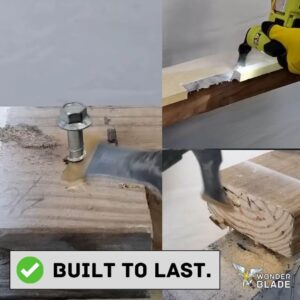
This blade stands out as one of the strongest in its industry due to its High-Strength CarbideTM teeth, known for their exceptional endurance and cutting power, as opposed to ordinary blades, which become dull over time.
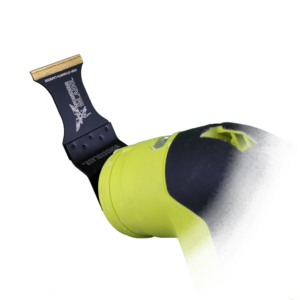
*However, the major issue is that many blades that you’ll find in your local hardware store tend not to last, here at WonderBlade we have an all around General Purpose Oscillating Tool Blade that lasts time and time again against hundreds of cuts through wood, fiber cement, sheetrock, plastic and more*